










Silicone Dolls: Using for Creative Projects
Discover how silicone dolls are used in private creative projects, from photography and styling to controlled lighting studies and long-term visual development.
Mar 31, 2026
7 minutes for reading

Most conversations about silicone dolls revolve around materials, engineering, or realism. Rarely do people talk about what happens once the doll becomes part of someone’s creative space.
But for some owners, that’s exactly what happens.
Not in a dramatic or public way. Not as a performance. Simply as part of a quiet, ongoing creative process – photography sessions after work, wardrobe experiments on weekends, lighting studies late at night when the house is quiet.
In those spaces, a silicone doll stops being an abstract product and becomes something more practical: a controllable, consistent physical subject.
And that consistency matters more than most people realize.
Working Without a Clock
Anyone who has worked with live models knows the invisible pressure of time. Sessions have to be scheduled. Energy levels fluctuate. Expressions shift. There’s always an awareness that someone else is waiting for direction.
With a silicone doll, that pressure disappears.
You can adjust a light for twenty minutes without apology. You can change lenses repeatedly. You can reposition hands and shoulders by small degrees until the frame feels balanced.
There’s no rush. No fatigue. No social dynamic.
For photographers learning how light moves across skin-toned surfaces, or designers experimenting with texture and silhouette, that freedom changes the pace of learning. It becomes slower, more deliberate.
Mistakes are easier to tolerate when no one is watching.
Learning by Repetition
Creative improvement rarely happens in dramatic leaps. It happens in repetition.
With a fixed subject, you can shoot the same composition under slightly different lighting conditions and compare results carefully. You can revisit a setup weeks later and refine it without wondering whether the subject will look different.
Consistency creates a feedback loop. The only variable becomes your technique.
That can be surprisingly powerful.
For beginners, it builds confidence. For experienced creators, it allows precision.
And because the form doesn’t change, the work feels measurable rather than random.

Styling Without Performance
Clothing behaves differently on realistic contours than it does on retail mannequins. Fabric drapes differently. Seams stretch differently. Silhouettes shift depending on posture.
Some independent designers or hobby stylists use silicone dolls to test how garments move across a more lifelike form. Not for commercial campaigns, necessarily – sometimes just for personal exploration.
The absence of a live person changes the atmosphere. There’s no performance element. No need to direct facial expressions or body language.
Instead, attention goes to texture, layering, and shape.
The focus becomes visual rather than interpersonal.
That distinction can feel subtle, but creatively it’s significant.
Quiet Character Building
Some private projects evolve into character studies. A particular hairstyle, a certain wardrobe palette, a recurring backdrop – over time, a visual identity begins to take shape.
Because the physical form remains constant, the character feels stable. You can experiment without losing continuity. A series shot months apart still feels cohesive.
With live subjects, even small changes – a haircut, a different mood, shifting availability – alter the trajectory of a project. With a fixed subject, development feels gradual and controlled.
It’s less about replacing human presence and more about stabilizing it.
Lighting as Craft
Lighting is one of the hardest skills to master in photography. It reveals flaws quickly. It exposes imbalance. It punishes shortcuts.
Silicone, as a material, interacts with light in complex ways. Highlights can become too sharp. Shadows can flatten if not diffused properly. Subtle adjustments make noticeable differences.
Working with a silicone subject allows repeated experimentation. You can move a softbox slightly closer and observe how the reflection changes. You can test warm versus cool tones without worrying about comfort.
This kind of methodical adjustment builds instinct.
Eventually, the process becomes less about photographing a doll and more about understanding how light shapes dimensions.
That knowledge transfers everywhere.

The Role of Privacy
Creative growth often begins in private.
Many artists experiment quietly before showing anything publicly. Early attempts are messy. Concepts shift. Confidence develops gradually.
Working alone with a stable subject removes the vulnerability of early-stage feedback. There’s no audience. No commentary. No pressure to produce something impressive immediately.
You can fail repeatedly without embarrassment.
For some personalities, that privacy is not a luxury – it’s a requirement for honest exploration.
The Difference From Mannequins
Retail mannequins serve a commercial purpose. They are rigid, simplified, and designed for store display.
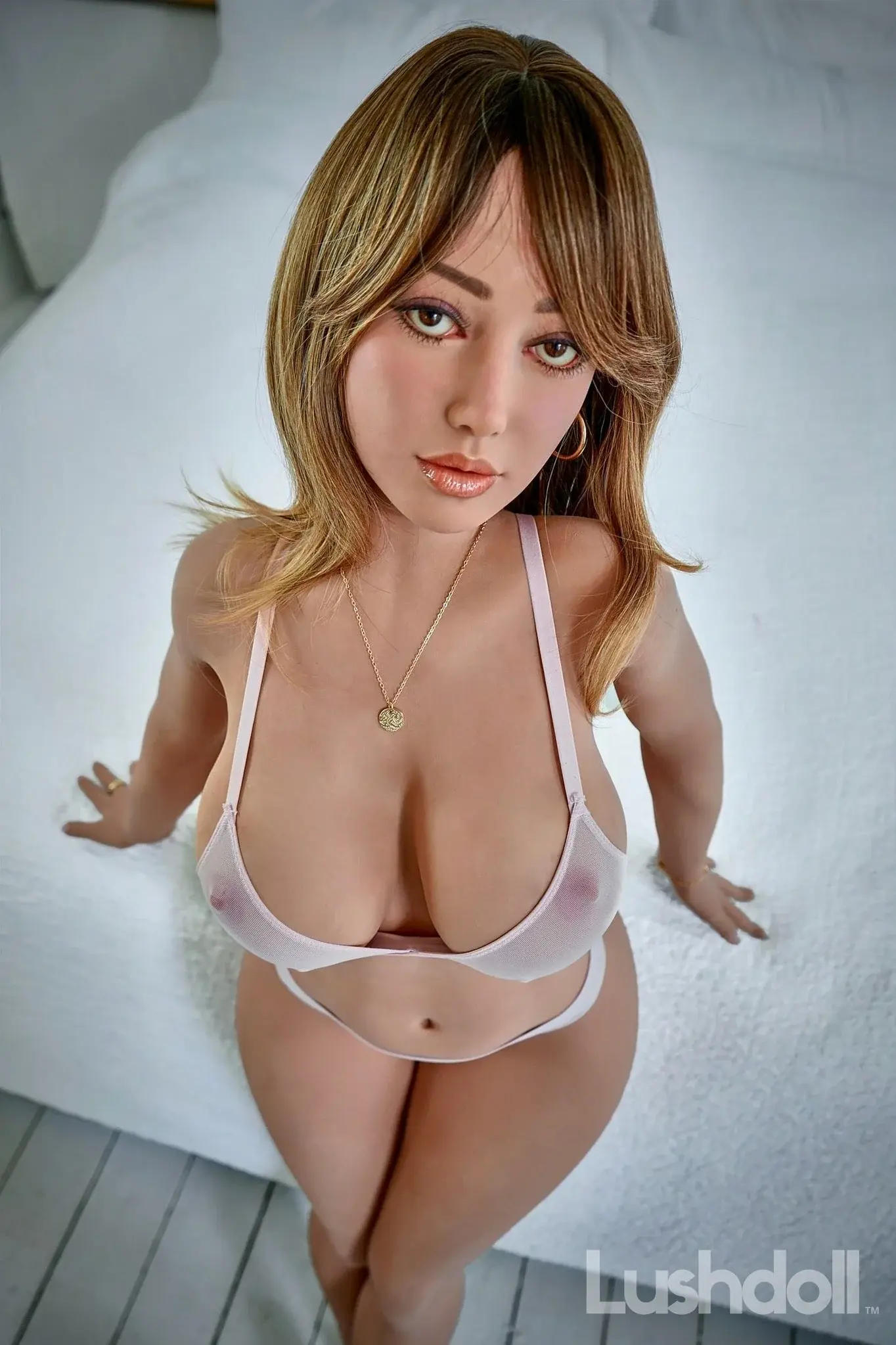
A silicone doll offers something closer to anatomical realism. Hands are shaped with individual fingers. Shoulders rotate. The spine can shift slightly. The contours reflect human proportions more naturally.
For certain creative projects, those nuances matter. Fabric gathers differently. Posture feels less artificial. Shadows fall in more believable ways.
It’s not about perfect replication of life. It’s about working with a form that behaves more organically than plastic retail fixtures.
That subtle realism influences the final image.
Long-Term Projects
Some creative efforts stretch across months or years. A visual diary. A seasonal styling series. A lighting progression study.
Maintaining continuity with live collaborators across that timeline can be challenging. People change. Availability shifts. Interests evolve.
A fixed subject removes those variables.
You can revisit a concept a year later and continue where you left off. That continuity encourages patience.
It allows projects to breathe rather than rush toward completion.
Emotional Adjustment
At first, the presence of a life-sized figure in a creative space can feel unusual. There’s an awareness of scale and form that takes time to normalize.
Over weeks and months, that awareness fades.
The doll becomes part of the studio environment. You stop thinking about it as an object and start thinking about it as equipment.
Not in a cold way – simply in a practical one.
Just as a camera eventually feels like an extension of your hand, a fixed subject becomes part of the workflow.
Familiarity reduces self-consciousness.
Limitations That Matter – and Don’t
It’s important to acknowledge that silicone dolls cannot replicate spontaneity. They do not breathe. They do not shift expression naturally. They cannot respond to direction emotionally.
For projects that depend on those qualities, a live model is irreplaceable.
But for controlled experiments in form, posture, styling, and lighting, those limitations are less relevant.
Creative tools do not need to do everything. They only need to support the task in front of you.
Understanding that boundary prevents unrealistic expectations.
Ownership as Infrastructure
For some owners, integrating a silicone doll into creative work reframes the entire purchase.
It becomes less about novelty and more about infrastructure – a physical asset that supports learning and experimentation.
Like a backdrop stand or a new lens, it serves a purpose. It occupies space. It requires care. But it contributes to growth.
Over time, that utility feels more durable than excitement.

A Quieter Perspective
Public narratives often reduce silicone dolls to a single dimension. The reality is more layered.
In private creative environments, they function as tools for exploration – for understanding light, for refining composition, for experimenting with style.
Not everyone uses them this way. But for those who do, the role is simple and practical.
Control. Consistency. Time.
Creative work often depends on those three elements.
And sometimes, having a subject that waits patiently in the corner of a room makes all the difference.
Frequently Asked Questions
Can silicone dolls be used for photography practice?
Yes. Many photographers use silicone dolls to practice lighting, composition, and camera settings. The subject remains stable, allowing precise adjustments without time pressure.
Are silicone dolls suitable for wardrobe or costume experimentation?
They can be useful for testing garment fit, layering, and silhouette, especially when consistent body proportions are important for repeated sessions.
Do silicone dolls replace live models in creative work?
No. They cannot replicate natural movement or spontaneous expression. However, they can serve as stable reference subjects for structured projects.
Is special lighting required when photographing silicone dolls?
Standard photography lighting setups work well. Because silicone reflects light differently than fabric or plastic, adjusting diffusion and angle can improve results.
Why would someone choose a silicone doll for a private project instead of a mannequin?
Silicone dolls typically have more realistic proportions and surface detail than retail mannequins, which can create more natural visual results in certain creative contexts.
Related & Recommended Sex Dolls
Discover more premium silicone sex dolls that match your preferences.
Frequently Asked Questions
What is a silicone sex doll?
A silicone sex doll is actually a very realistic doll that is made of high quality silicone. It is due to the realism and pleasant feeling that these realistic sex dolls are one of the best alternatives to TPE sex dolls. It has been proven that many consider them the best choice for life-size sex dolls due to their incredibly realistic skin texture and durable material.
Are sex dolls legal?
One of the most common questions before buying — are sex dolls legal? In many countries, it’s absolutely legal to have a sex doll for your personal use. There is no difference from buying an intimate toy. However, the laws may be different, in this case we just recommend that you familiarize yourself with the rules yourself!
What is the difference between a torso sex doll and a sex doll and a full body sex doll?
A torso sex doll is a doll with only breasts, belly and hips. But a full-body sex doll is essentially a life-size sex doll, that is, from head to toe. What to choose depends on you and your preferences in the form of interactions with the doll. Both sex dolls are popular.
What is the difference between TPE sex dolls and silicone sex dolls?
The difference is in the material. TPE sex dolls are usually softer and more flexible, when silicone sex dolls are more durable. Both our real sex dolls are completely safe for you, and made of hypoallergenic silicone, which makes it easier for you to take care of them.
Can I get a custom sex doll?
Let's say right away — yes! We suggest you create your own personal sex dolls, where you can choose everything from face type to eye color. Whether you want a BBW sex doll or a specific realistic sex doll, a customized sex doll will allow you to create your perfect one.
How to clean a sex doll?
There's nothing complicated about it. Use warm water and mild soap that does not contain oil. This applies not only to silicone, but also to TPE sex dolls. After washing, wipe it thoroughly with a towel. Remember that proper cleaning ensures the hygiene of your doll and ensures that it will remain in perfect condition.
What is a BBW sex doll?
BBW sex dolls are an option with more curvy shapes, bigger bust, wider hips and a naturally thicker figure. BBW sex dolls are a great option for those who prefer more voluminous and realistic body shapes that give vivid sensations that differ from standard models of love dolls.
For how realistic are real sex dolls?
Even looking at our photos, you can see how realistic the sex dolls are. We always use high-quality materials for manufacturing, so that you can feel how realistic the skin, body shapes and facial features are. Our main goal is to create a truly authentic partner for you.
What is a mini sex doll or a tiny sex doll?
A mini sex doll or tiny sex doll is just a smaller and compact version of a full-size doll. Small sex dolls are always suitable for storage, travel, or as a gift. They have all the details of a real larger sex doll in a reduced form.
Is it difficult to store a life size sex doll?
In fact, keeping a life-size sex doll is much easier than it seems at first glance. We offer convenient storage bags, and besides, many dolls are very flexible for storage. We can suggest that you purchase a discreet sex doll option, sex doll torso or mini sex doll for more convenient use.
What makes a silicone doll the most realistic on the market?
A lot of different factors make our silicone doll the best among the most realistic sex dolls. First, its material perfectly conveys the realistic texture of the skin and details such as veins and freckles. Second, the doll is durable and this further ensures the realistic appearance of the sex doll compared to others.
Is it safe to use silicone sex dolls?
Yes. Our high-quality silicone sex dolls are made from body-safe, hypoallergenic and non-toxic materials to protect your safety. For example, unlike some fairly low-quality options, silicone dolls are completely safe for intimate use.
Please Verify Your Age
Warning: this site contains material that may be offensive and may not be distributed, circulated, sold, rented, loaned, displayed, played or projected to anyone under the age 18. If you are under the age 18 or the legal age in your area, please leave now.